Wellness Exams
More than a yearly check-in
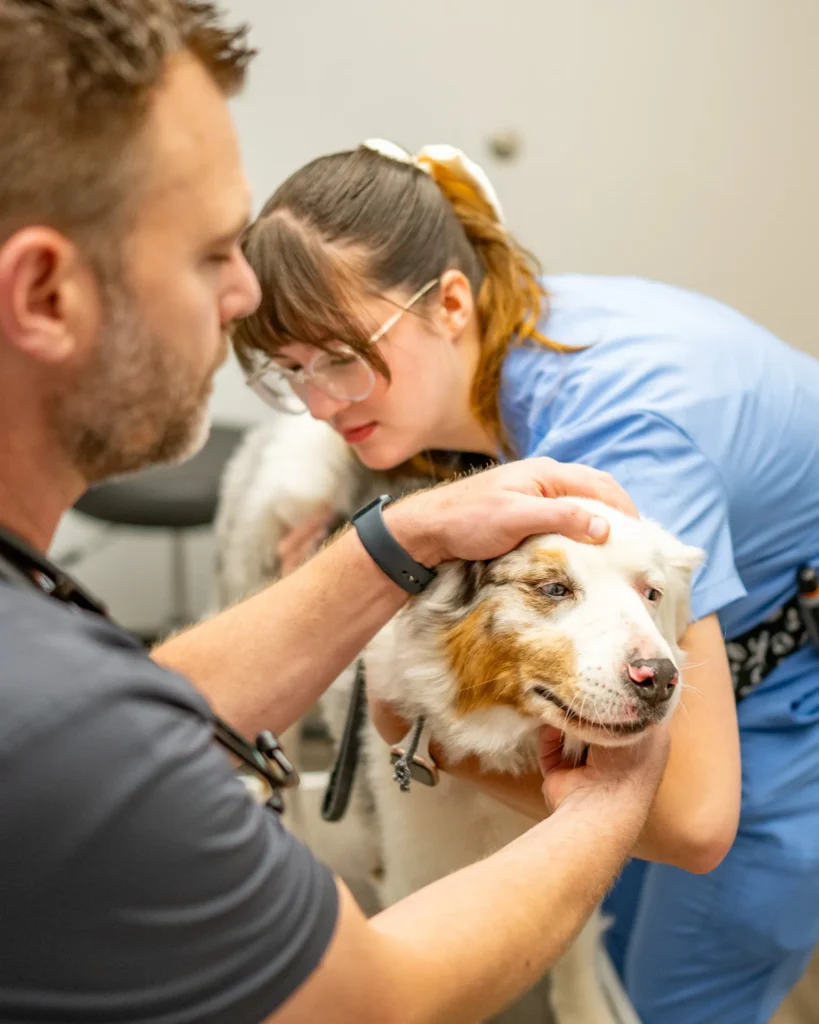
Every preventive or wellness visit involves more than updating vaccines. It’s an opportunity to get to know your pet, understand what’s normal for them, and recommend everyday actions that support their long-term health.
Over time, those visits create a more complete picture of their health, leading to more informed recommendations, earlier detection, and more healthy years by your side.
"But my pet is healthy..."
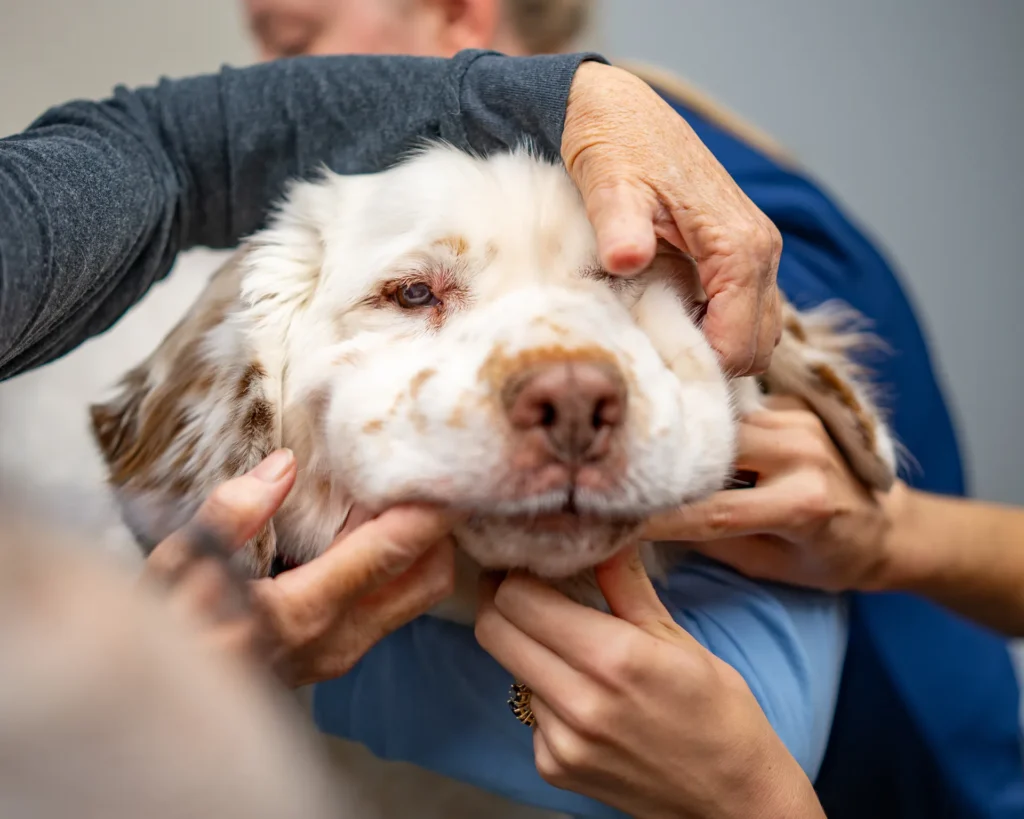
And that’s key. Wellness exams help us get to know your pet while they are healthy. By seeing them regularly for wellness exams, we can know what’s normal for them. This makes it easier to spot subtle changes later on.
Because we care for your pet over time, we can compare every visit not just to a chart but to firsthand knowledge of their health, behavior, and personality.
Care Tailored To Your Pet
Each wellness visit is shaped by your pet’s needs, including their lifestyle, risks, and health history. Their care may include:
Lifestyle and Home Life Review
Understanding your pet’s home life helps us identify relevant health risks.
Wellness Bloodwork
Preventive bloodwork during wellness exams can reveal hidden internal changes and establish your pet’s healthy baseline for future comparison.
Nutrition and Body Condition
Everyday guidance on food, portions, body condition, and changing nutritional needs.
Behavior and Mobility
Changes in movement, habits, or personality can provide early clues about their well-being.
Parasite Risk and Protection
Precise recommendations to detect and protect against parasite-borne disease.
Your Questions and Observations
What you notice at home helps us see a more complete picture of your pet’s health.
Small Changes Tell a Bigger Story: Why Routine Exams Matter
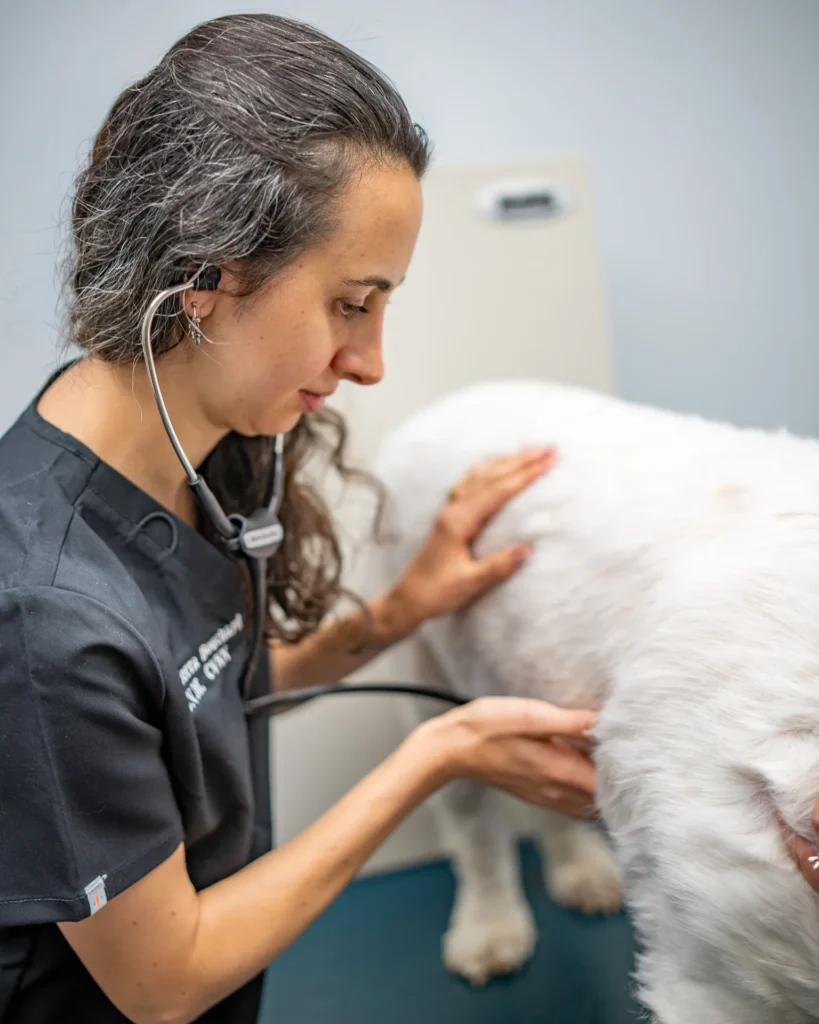
By combining your observations, our clinical assessment, and diagnostic insights, we can build a more complete picture of your pet’s health—and make informed decisions to protect it.
The more familiar we are with your pet, the easier it is to spot the changes someone else might miss: a skip in their step, a roughness in their coat, or a subtle loss of energy.
These small shifts can be the earliest clues of a serious condition, such as:
- Arthritis
- Dental disease
- Skin abnormalities and allergies
- Heart murmurs and disease
- Endocrine disease
- Kidney disease
- Digestive disorders
- Cancer
Small Observations, Lasting Health
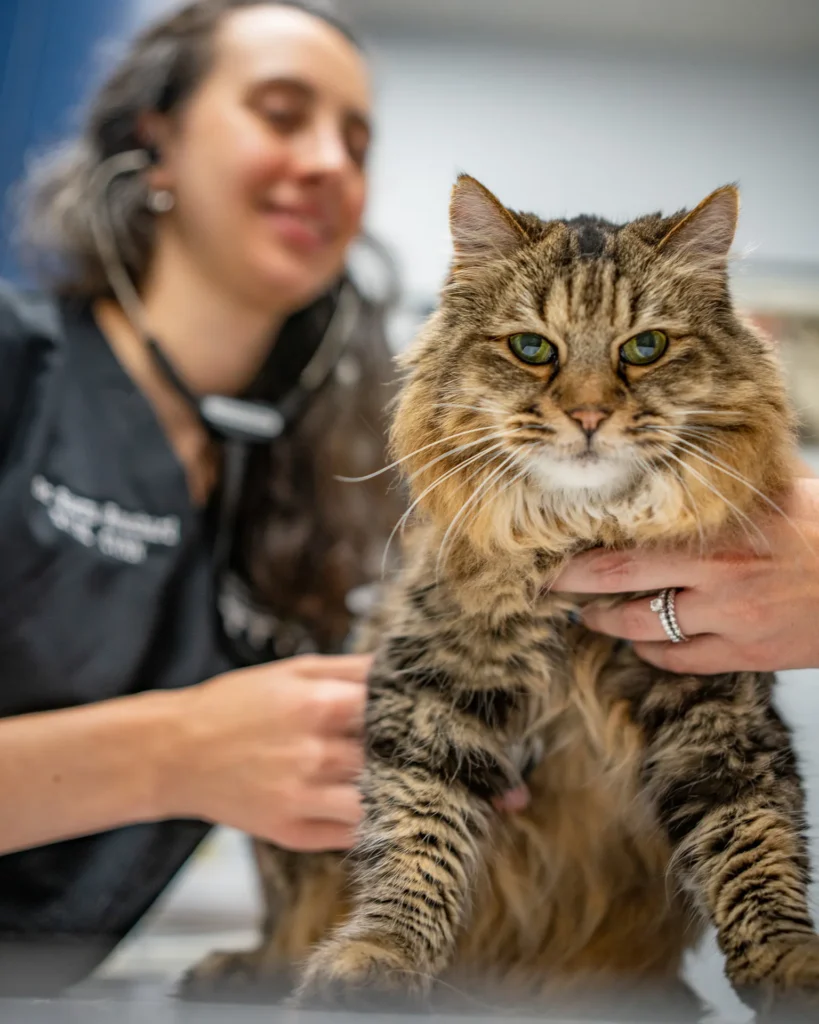
Over the years, those small observations add up—becoming some of the most valuable tools we have for protecting your pet’s long-term health.